Comprehensive Guide to Risk Reducing Salpingo-Oophorectomy: A Life-Changing Preventive Procedure
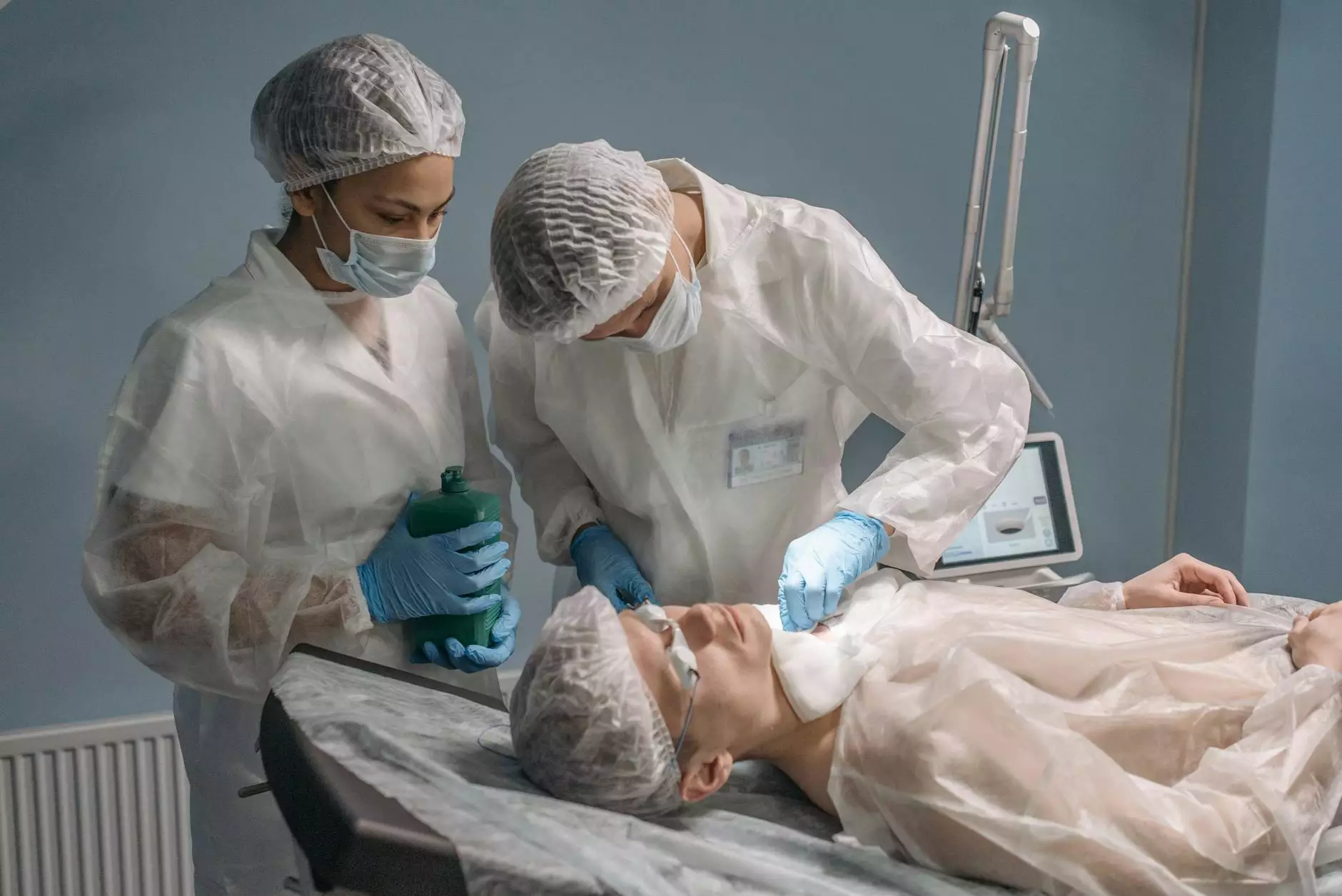
In the realm of modern gynecology and preventive health strategies, risk reducing salpingo-oophorectomy has emerged as a pivotal procedure in reducing the risk of ovarian and fallopian tube cancers, especially among women with hereditary cancer syndromes. This article delves deep into the intricacies of this life-altering surgical intervention, its scientific basis, benefits, risks, and the unparalleled care offered by distinguished professionals at drseckin.com.
Understanding Risk Reducing Salpingo-Oophorectomy: What Is It?
Risk reducing salpingo-oophorectomy (RRSO) is a preventative surgical procedure involving the removal of the fallopian tubes (salpingo) and ovaries (oophorectomy). It is primarily performed in women identified to have a substantially elevated risk of developing ovarian, fallopian tube, and even primary peritoneal cancers. This procedure is regarded as a significant risk-reducing strategy, particularly for individuals carrying genetic mutations like BRCA1 and BRCA2.
The Scientific Basis of Risk Reducing Salpingo-Oophorectomy
Extensive research over the past decades has established a strong link between hereditary genetic mutations and the increased risk of gynecologic cancers. Specifically:
- Women with BRCA1 mutations face up to an 80% lifetime risk of ovarian cancer.
- BRCA2 mutation carriers have around a 20-30% lifetime risk.
- Studies indicate that the origin of many high-grade serous ovarian cancers may actually begin in the fallopian tubes, which justifies the removal of these structures to prevent cancer development.
By proactively removing the fallopian tubes and ovaries, RRSO effectively halts the natural progression of these cancers in high-risk women, significantly improving longevity and quality of life.
Who Should Consider Risk Reducing Salpingo-Oophorectomy?
While RRSO is predominantly recommended for women with hereditary cancer syndromes, other categories may also benefit from this preventive approach:
- Women with known BRCA1 or BRCA2 mutations
- Women with a strong family history of ovarian, fallopian tube, or breast cancers
- People with a history of Lynch syndrome or other genetic syndromes associated with gynecologic cancers
- Women who have completed childbearing and seek cancer risk reduction options
Deciding on this procedure involves detailed genetic counseling and risk assessment by experienced gynecologic oncologists.
The Procedure: What to Expect
Preoperative Assessment and Counseling
Pre-surgical evaluation includes comprehensive genetic counseling, imaging studies, and discussions regarding the benefits, potential risks, and impact on hormonal balance. Patients are encouraged to understand the consequences, such as menopause symptoms, and discuss options like hormone replacement therapy.
Performing Risk Reducing Salpingo-Oophorectomy
The procedure is typically performed via minimally invasive laparoscopic techniques, ensuring less post-operative pain and faster recovery. Under general anesthesia, the surgeon carefully removes the fallopian tubes and ovaries, taking great care to avoid damage to surrounding structures.
Postoperative Care and Follow-Up
Following surgery, patients are monitored for complications, and a postoperative recovery plan is initiated. Long-term surveillance and hormonal management guide the patient's transition through menopause, especially if the procedure is performed before natural menopause.
Advantages of Risk Reducing Salpingo-Oophorectomy
This surgical intervention offers several compelling benefits, including:
- Significant reduction in the risk of ovarian, fallopian tube, and primary peritoneal cancers
- Potentially extends overall survival in women with high genetic risk
- Provides peace of mind for women with hereditary cancer syndromes
- Allows for proactive health management and informed decision-making
Furthermore, when performed at the optimal timing—typically between ages 35-45 for high-risk women—it maximizes preventive benefits while balancing menopausal health considerations.
Potential Risks and Considerations
Despite its advantages, risk reducing salpingo-oophorectomy is not devoid of risks:
- Early menopause symptoms such as hot flashes, night sweats, mood swings, and decreased libido
- Increased risk of cardiovascular disease and osteoporosis due to hormonal deficiency
- Surgical complications like bleeding, infection, or damage to adjacent organs
- Possible psychological impact related to loss of fertility and hormonal changes
Therefore, comprehensive counseling and follow-up care are essential components of the treatment journey, managed by expert gynecologists at drseckin.com.
Harmonizing Preventive Strategies with Personalized Care
Every woman's health needs and genetic background are unique. Modern medicine underscores the importance of individualized treatment planning. Specialists at drseckin.com offer personalized consultations, integrating genetic testing, risk assessment, and patient preferences to develop optimal preventive strategies.
The Role of Obstetricians & Gynecologists in Managing Risk Reducing Salpingo-Oophorectomy
Outstanding obstetricians and gynecologists play a vital role in guiding women through the decision-making process, performing the procedure with precision, and providing meticulous postoperative care. At drseckin.com, a team of world-class specialists ensures patients receive compassionate, comprehensive care rooted in the latest medical advancements.
Advances in Gynecological Surgery and Future Perspectives
The field continually evolves with innovations such as robotic-assisted surgeries, enhanced genetic screening, and targeted therapies. These advancements promise even more effective prevention and treatment options, ensuring women at risk have access to cutting-edge healthcare solutions that prioritize safety, efficacy, and quality of life.
Summary: Why Consider Risk Reducing Salpingo-Oophorectomy?
For women at high genetic or familial risk of gynecologic cancers, risk reducing salpingo-oophorectomy offers a scientifically supported, effective means of prevention. It represents a proactive approach to healthcare—one that, when combined with genetic counseling and personalized medical management, can significantly improve outcomes and save lives.
Partnering with specialized clinics like drseckin.com ensures access to the most advanced surgical techniques, expert care, and ongoing support throughout your health journey.
Contact and Consultation
To explore whether risk reducing salpingo-oophorectomy is appropriate for you or to learn more about preventive gynecological care, visit drseckin.com. Our team of dedicated professionals is committed to guiding you through this vital health decision with compassion, expertise, and personalized attention.